


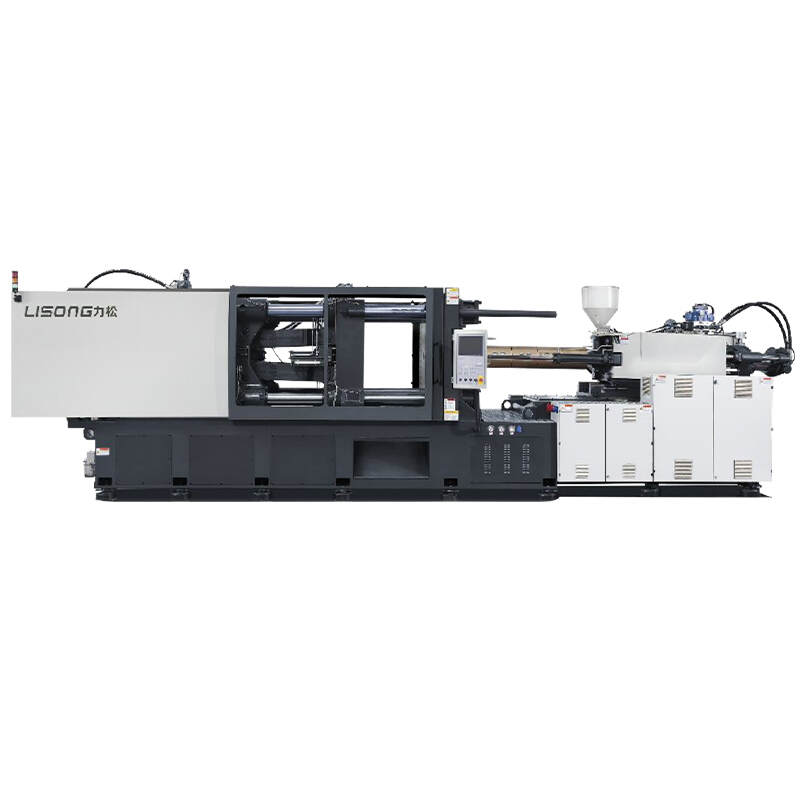
Wholesale Solutions in Machinery and Equipment: A Comprehensive Guide
The machinery and equipment wholesale industry is a critical component of the global economy, facilitating the availability of essential equipment for various sectors. From construction to manufacturing, wholesale distributors play a vital role in sourcing and supplying machinery to meet the demands of businesses large and small. This article delves into the intricacies of the wholesale machinery and equipment market, highlighting key trends, challenges, and strategies for success.
Understanding the Machinery and Equipment Market
The machinery and equipment market encompasses a wide range of products, including heavy machinery, tools, and various types of equipment used across multiple industries such as construction, agriculture, manufacturing, and logistics. Understanding market dynamics is crucial for wholesale distributors aiming to thrive in this competitive landscape. Factors such as technological advancements, regulatory changes, and shifts in consumer demand can significantly impact the market.
Key Trends in the Industry
The wholesale machinery and equipment market is influenced by several trends that affect both suppliers and buyers. Below are some notable trends shaping the industry:
- Automation and Digitalization: The integration of technology in machinery has improved efficiency and safety. Wholesale distributors must adapt to these changes by offering updated equipment that meets technological standards.
- Sustainability: An increasing emphasis on sustainability is prompting businesses to seek eco-friendly machinery. Distributors can gain a competitive edge by providing energy-efficient and environmentally responsible options.
- Globalization: The expansion of global supply chains has enabled wholesalers to source machinery from diverse markets, enhancing their product offerings and pricing strategies.
- Customization: Many businesses are looking for specialized machinery tailored to their specific needs. Wholesale distributors must consider stocking customizable options to attract a broader clientele.
Challenges in the Wholesale Machinery and Equipment Sector
While the wholesale machinery and equipment market presents numerous opportunities, it also poses challenges that wholesalers must navigate effectively. Here are some of the significant challenges facing the industry:
- Supply Chain Disruptions: Recent global events have exposed vulnerabilities in supply chains. Wholesale distributors need to develop robust contingency plans and diversify their supplier base to mitigate risks.
- Competition: The wholesale industry is highly competitive, with numerous players vying for market share. Building strong relationships with suppliers and customers can provide a competitive advantage.
- Regulatory Compliance: Adhering to industry regulations and standards is crucial. Distributors must stay informed about changes in regulations affecting machinery safety and emissions to ensure compliance.
- Capital Investment: Machinery is a significant investment, and wholesale distributors often require substantial capital for inventory and infrastructure. Access to funding and efficient financial management is essential for success.
Strategies for Success in the Wholesale Sector
To succeed in the competitive wholesale machinery and equipment market, distributors need to employ effective strategies that enhance their operations and grow their business. Some key strategies include:
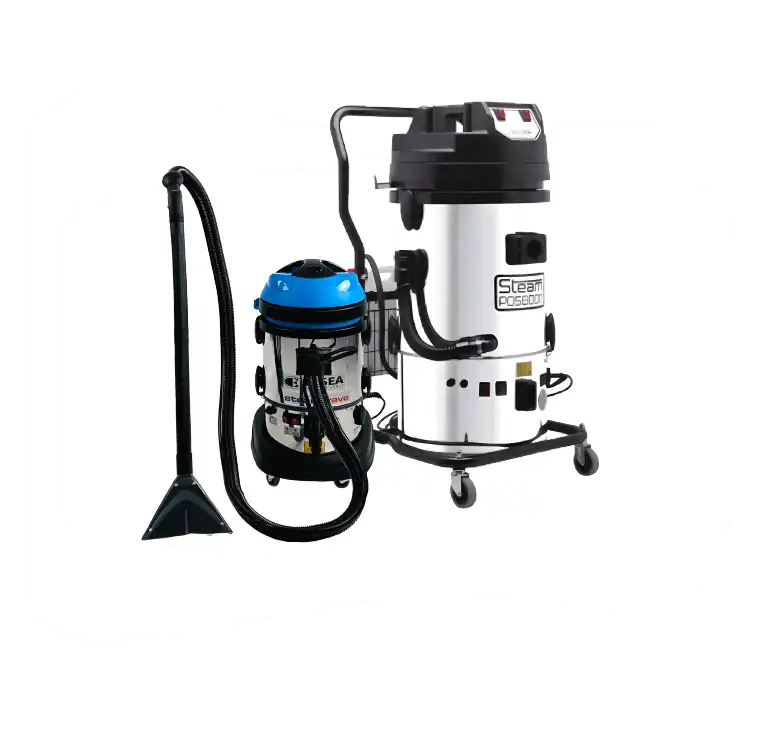
1. Building Strong Supplier Relationships
Developing robust relationships with manufacturers and suppliers is vital for wholesalers. Good communication, trust, and mutual understanding can lead to better pricing, priority access to products, and favorable contract terms.
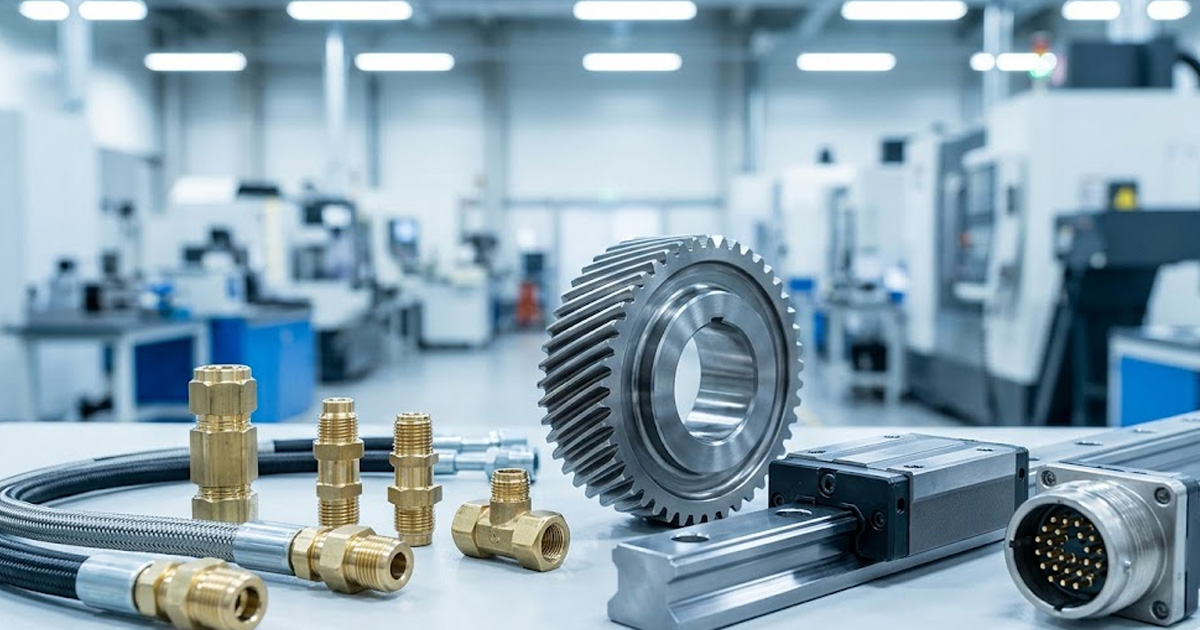
2. Emphasizing Customer Service
Exceptional customer service can distinguish a wholesale distributor from its competitors. Providing knowledgeable staff, timely responses to inquiries, and efficient after-sales support are crucial steps in fostering customer loyalty.
3. Investing in Technology
Adopting the latest technology can streamline operations, improve inventory management, and enhance customer experience. Utilizing data analytics to gain insights into market trends and customer preferences can lead to better decision-making.
4. Offering Diverse Product Lines
Carrying a diverse range of machinery and equipment allows wholesalers to cater to various industries and customer needs. Regularly updating the product line to include the latest innovations can attract a broader customer base.
5. Enhance Marketing Efforts
Effective marketing strategies can help wholesalers reach new clients. Utilizing digital marketing, attending industry trade shows, and participating in networking events can enhance visibility and brand recognition.
The Future of Machinery and Equipment Wholesale
As the machinery and equipment wholesale market continues to evolve, emerging trends and technologies will shape its future. With an increasing focus on sustainability, digital transformation, and globalization, wholesalers must remain adaptable and proactive in meeting the changing demands of their clients.
In conclusion, the machinery and equipment wholesale sector plays a crucial role in various industries worldwide. By understanding market dynamics, embracing innovation, and addressing challenges head-on, wholesalers can establish themselves as leaders in this essential market. As businesses increasingly seek reliable partners for their equipment needs, wholesalers with a strong offering and customer-first approach are well-positioned for success in the years to come.